





For decades, Somali-American political engagement in Minnesota meant rallying on the Capitol steps, registering voters, and hoping lawmakers inside would listen. When the Minnesota Senate gavels in on January 12, 2027, two Minneapolis lawmakers will hold the gavels themselves.
On November 18, the Minnesota Senate Democratic-Farmer-Labor (DFL) Caucus elected Senator Omar Fateh as Assistant Majority Leader and appointed him Chair of the Local Government and Housing Committee. In the same announcement, the caucus named Senator Zaynab Mohamed Chair of the Human Services Committee for the 2027–2028 legislative biennium.
“So honored and grateful to my colleagues for putting their trust in me as Assistant Majority Leader and Chair of Housing and Local Government,” Omar Fateh wrote in a public statement following the vote.
In state politics, committee chairs are the real gatekeepers. While bills must still clear other committees, both chambers, and the governor, chairs set the agenda, call the witnesses, and decide which proposals move forward. Come January, Omar Fateh and Zaynab Mohamed will guide the legislative agenda over housing affordability, municipal governance, and Minnesota’s social safety net.
Omar Fateh, representing south Minneapolis’s District 62, first made history in 2020 as the first Somali-American and Muslim elected to the Minnesota Senate. After previously chairing the Higher Education Committee and running a high-profile Minneapolis mayoral campaign in 2025, he won re-election unopposed earlier this month. Alongside serving on Majority Leader Erin Murphy’s leadership team, Omar Fateh now steps into the center of Minnesota’s housing debate—where policy determines whether a young family faces displacement or a first-time buyer can afford a home.
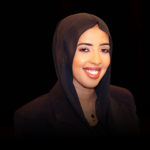
Zaynab Mohamed, representing neighboring District 63, was elected in 2022 at age 25 as the youngest woman ever to serve in the Minnesota Senate and among the first Black women in the chamber. Following her re-election on November 3 with nearly 88 percent of the vote, Zaynab Mohamed takes charge of the Human Services Committee. Behind that committee’s budget are real people: a parent caring for a child with a disability, an older adult trying to remain safely at home, and families relying on Medical Assistance and long-term care.
Their promotions come as Democrats prepare to govern with a wider margin. In the November 3 general election, the DFL expanded its Senate majority from a razor-thin 34–33 edge to at least 39 seats in the 67-member chamber, with two races still subject to automatic recounts.
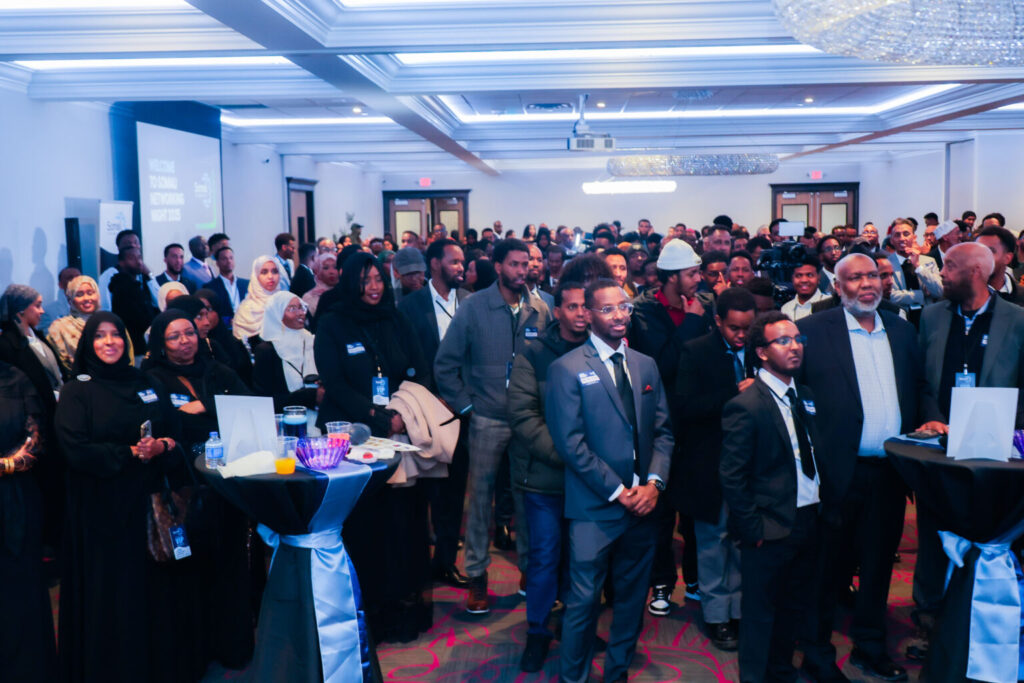
Across the Minnesota Legislature, six Somali Americans will serve in the upcoming term, including newly elected St. Cloud representative Abdi Daisane, who flipped a Republican-held House seat earlier this month.
For an immigrant parent who once struggled to navigate unfamiliar public institutions, seeing Somali-American leaders chair major Senate committees carries real weight. Yet their success will not be measured by diaspora pride alone. Housing shortages and disability care affect families from rural towns to suburban neighborhoods across the state.
Having a seat at the table was the first milestone. Holding the gavel is a different test altogether.
A larger Senate majority does not erase budget constraints or competing political interests. Starting in January, the real question is how effectively Omar Fateh and Zaynab Mohamed can turn legislative leadership into measurable relief for the working families who put them there.